


Hamamatsu's Ramen and Local Chinese: A Guide to Exquisite Dining
2026/10/16
Discovering Exquisite Ramen and Local Chinese Cuisine in Hamamatsu
To those seeking delicious ramen or heartwarming local Chinese cuisine in Hamamatsu.
This city boasts numerous Chinese restaurants offering a comforting bowl to soothe travel fatigue or delightful meals to enrich your daily lunch. From historic establishments to unique eateries introducing new flavors, the options are incredibly diverse.
However, with such a wide array of choices, you might find yourself wondering, 'Which restaurant should I choose?' or 'Will I really find a taste that suits me?' This article aims to address your curiosities and needs, providing practical tips to maximize your dining experience in Hamamatsu.
If you've come all the way to Hamamatsu, we want you to have an unforgettable culinary experience. We understand your desire to 'avoid disappointment.' While 'Hamamatsu Ramen' encompasses an astonishingly rich variety, and 'Hamamatsu Local Chinese' boasts unique characteristics in each establishment, we hope this guide assists you in discovering your own 'special spot.'
What is the Deep Charm of Hamamatsu Ramen? The Passion Behind Each Bowl
Within Hamamatsu's food culture, ramen is a beloved staple for many. Various soup types exist—soy sauce, salt, miso, tonkotsu (pork bone)—each having undergone unique evolution. The noodle type, toppings, and the chef's passion poured into each bowl create distinct flavors at every restaurant.
Savoring ramen in Hamamatsu is more than just satisfying hunger; it's a journey to experience the chef's philosophy and regional characteristics. Whether you're a first-time visitor or a local, you're sure to discover something new.
Understanding Soup Personalities
One of the most crucial elements determining ramen's flavor is the soup. To appreciate the depth of Hamamatsu ramen, let's first focus on the soup types.
- Tonkotsu (Pork Bone) Soup: Characterized by its rich umami and depth. It's ideal for those who prefer a hearty flavor. Some restaurants offer refined bowls that suppress the distinctive pork bone aroma while extracting profound richness. It pairs exceptionally well with thin noodles, and you can enjoy different flavor changes with a second helping (kaedama).
- Shoyu (Soy Sauce) Soup: A classic flavor loved by all ages. From light and clear chintan soup to rich broths with animal-based dashi, each restaurant showcases its unique character. Transparent soups, condensed with the umami of chicken bones and seafood, evoke a sense of nostalgia while offering new discoveries.
- Shio (Salt) Soup: Known for its delicate and profound flavor that highlights the ingredients. You can clearly taste the dashi from chicken and seafood, providing a light yet satisfying experience. Salt ramen from restaurants that prioritize high-quality ingredients truly allows you to savor its authentic value.
- Miso Soup: Features rich and aromatic miso. Its robust flavor is particularly warming during colder seasons. Restaurants vary their miso types and blends, offering diverse options like spicy variations or those infused with the sweetness of vegetables.
A World Expanded by Noodles and Toppings
Beyond the soup, pay attention to the noodles and toppings. These significantly influence the overall impression of the ramen.
- Noodle Types: Restaurants pride themselves on their noodle choices: thin, thick, wavy, or straight. Thin noodles entwine well with the soup, allowing for smooth slurping. Thick noodles offer a chewy texture and satisfying bite. Wavy noodles hold the soup well, providing a harmonious flavor experience.
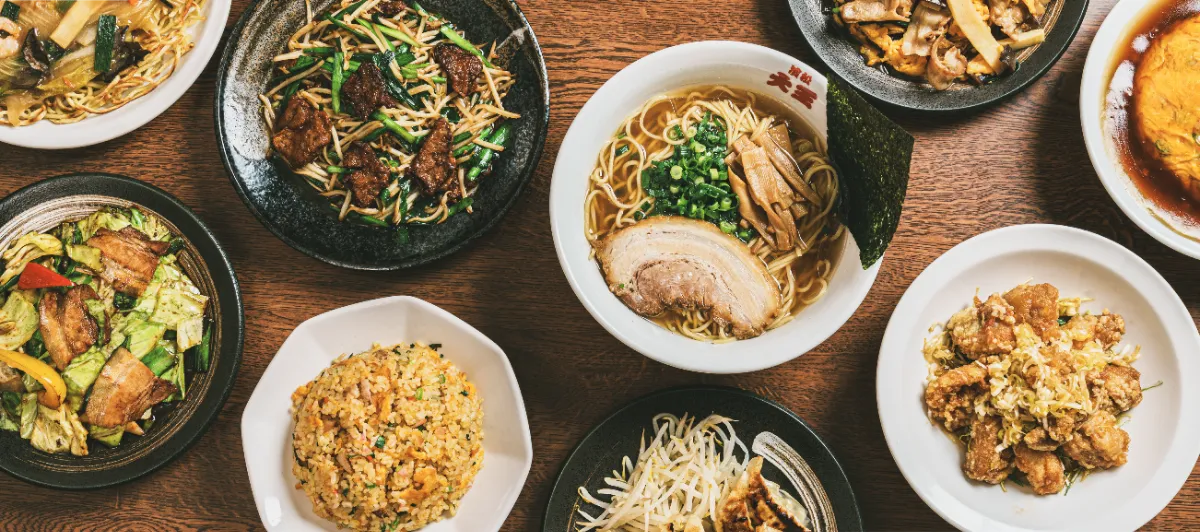
- Toppings: In addition to classic toppings like chashu (braised pork), ajitama (seasoned soft-boiled egg), menma (bamboo shoots), green onions, and nori (seaweed), many restaurants offer unique and creative additions. Even a single ajitama can have its own personality in terms of doneness and seasoning, while toppings like torched chashu or fatty pork belly chashu can be star attractions. The joy lies in customizing your unique bowl with these combinations.
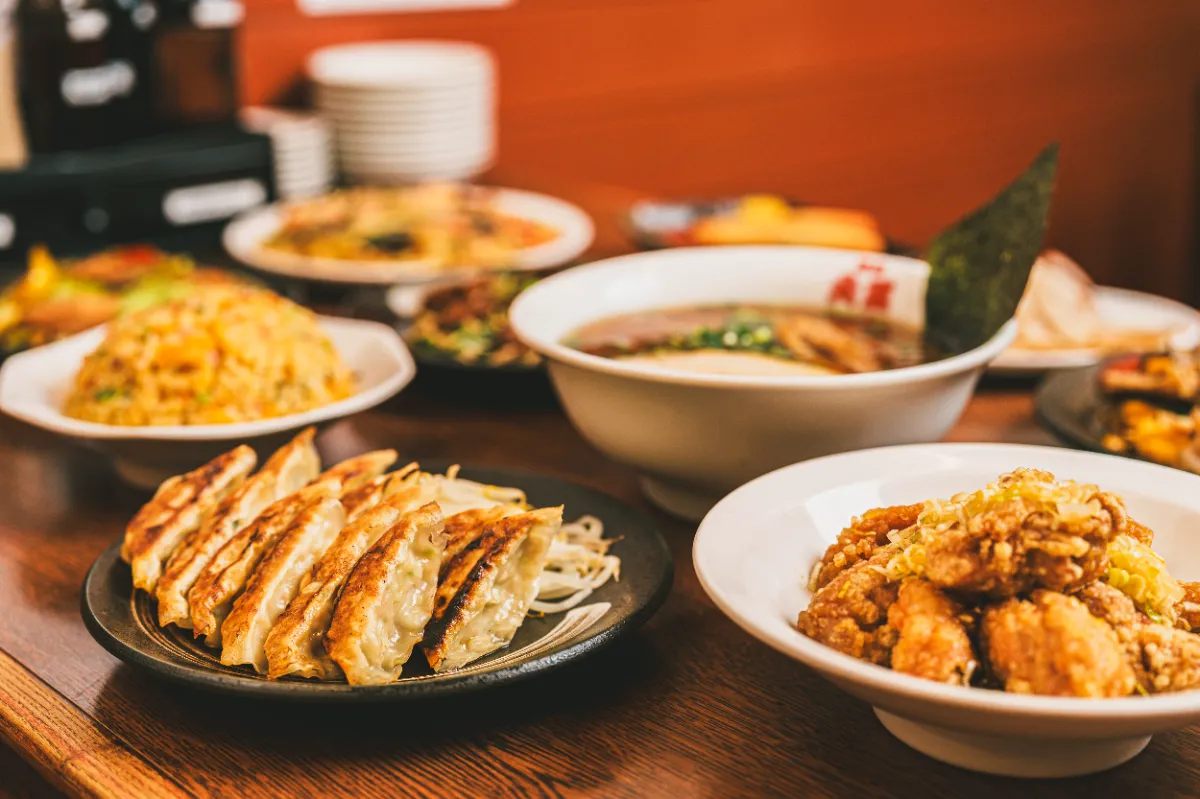
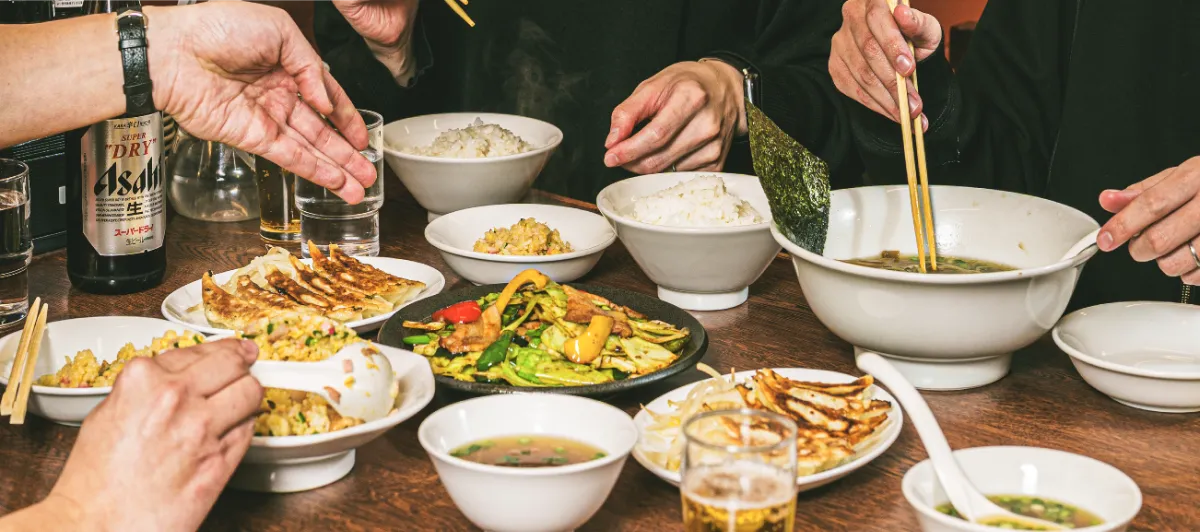
- Side Dishes: Many restaurants offer a full selection of side dishes to enjoy with ramen, such as gyoza (dumplings), fried rice, and karaage (fried chicken). Especially in Hamamatsu ramen shops, many establishments serve their own specially crafted gyoza, making it fun to compare them.
Savoring Heartwarming Home-Style Flavors at Hamamatsu's Local Chinese Eateries
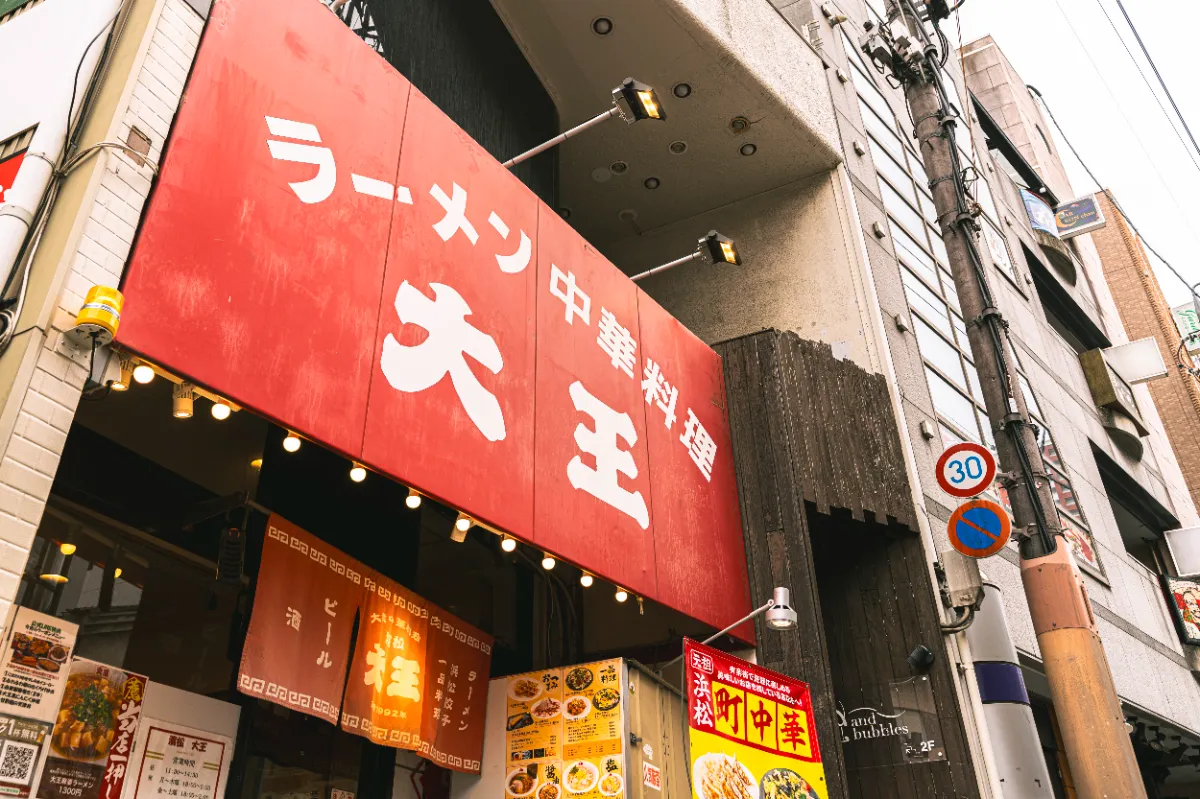
Hamamatsu is home to numerous 'machichuka' (local Chinese eateries) where you can enjoy authentic Chinese cuisine in a relaxed atmosphere. The appeal of machichuka lies undeniably in its homely ambiance and the reliable flavors loved by locals for many years. Many are family-run establishments, characterized by warm hospitality and the discovery of tastes that are both nostalgic and fresh.
Machichuka menus are extensive, featuring classic dishes as well as unique creations crafted by each restaurant. Many offer great value lunch sets, making them perfect for everyday dining. If you want to indulge in Chinese cuisine in Hamamatsu, machichuka is an indispensable choice.
Machichuka Classics and Hidden Gems
Machichuka menus are diverse, but why not start with the following classic dishes?
- Chahan (Fried Rice): From moist to fluffy, each restaurant offers a unique style. The chef's skill truly shines through simple ingredients like egg, green onion, and chashu. A set of half fried rice and ramen is considered the classic machichuka style.
- Gyoza (Dumplings): Hamamatsu is famous for gyoza. Many machichuka establishments also offer their own meticulously handmade gyoza. Varieties include pan-fried, boiled, and deep-fried. They are an excellent accompaniment to rice or a perfect snack with beer.
- Mapo Tofu: Ranging from mild and gentle flavors to authentic Sichuan style. This is a classic dish that pairs perfectly with rice. Some restaurants serve it in an earthenware pot, allowing you to enjoy it piping hot until the last bite.
- Subuta (Sweet and Sour Pork): A dish with an exquisite balance of sweet and sour sauce, pork, and vegetables. Often offered as a set meal during lunchtime, it's very filling.
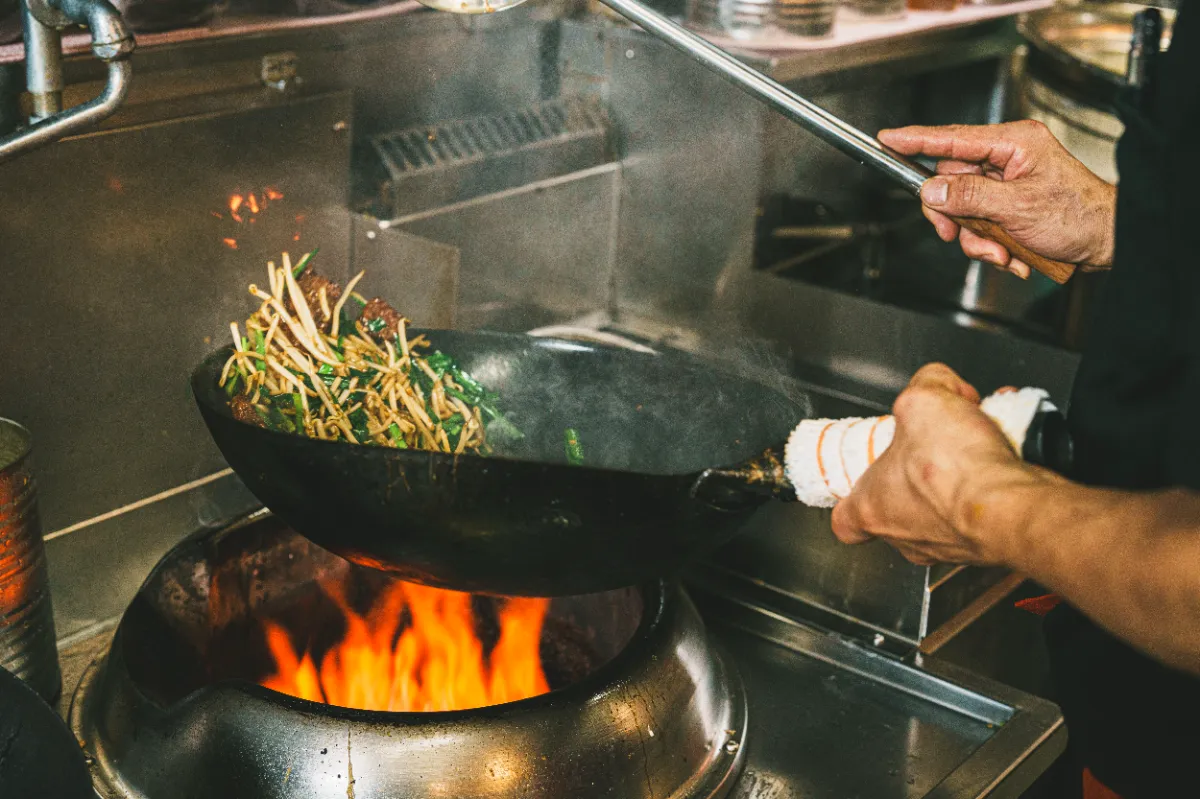
- Chinjao Rosu (Stir-fried Beef with Green Peppers): Features the delightful crisp texture of finely sliced meat and vegetables. Eaten with rice, it's guaranteed to whet your appetite.
Beyond these classic dishes, you might also find seasonal specials or 'secret menu' items known only to regular customers. Asking the staff for their recommendations could lead to new discoveries.
Tips for Making the Most of Affordable Lunch Sets
Many machichuka restaurants in Hamamatsu offer great value lunch sets during lunchtime. By skillfully utilizing these, you can enjoy a variety of dishes at reasonable prices.
- Daily Lunch Special: The ever-changing menu ensures you never get bored, no matter how often you visit. It's also a great opportunity to try new flavors.
- Ramen Set: A menu featuring your choice of ramen paired with half fried rice, gyoza, or other items. Recommended for those who want to enjoy both ramen and Chinese cuisine.
- Teishoku (Set Meal) Menu: A set meal with a main dish, rice, soup, and a small side dish is very hearty and satisfying. It's especially ideal for those looking for a substantial lunch.
Secrets to Maximizing Your Hamamatsu Lunch Experience
Choosing lunch in Hamamatsu varies greatly depending on your mood and the situation. Beyond ramen and machichuka, a variety of eateries will enhance your lunchtime. To have the best lunch experience, it's important to keep a few key points in mind.
Smart Tips for Choosing a Restaurant
Here are some tips for finding the perfect restaurant for you among Hamamatsu's many options.
- Clarify Your Purpose: Clearly defining what you're looking for in lunch—whether it's a hearty meal, something light, a lively gathering with friends, or a quiet meal alone—will help narrow down your restaurant choices.
- Consider Your Budget: Understand the average price range for lunch and look for restaurants you can enjoy within your budget. Hamamatsu offers many eateries providing satisfying lunches at reasonable prices.
- Location and Access: It's important to choose a restaurant that is easily accessible, fitting your destination and subsequent plans. Also consider parking availability and proximity to public transport.
- Restaurant Atmosphere: The ambiance of a restaurant—whether bright and lively, calm and relaxing, or one with ample counter seating—also impacts your lunch satisfaction. It's a good idea to check websites or photos beforehand.
Tips for Efficient Time Management
Lunchtime, in particular, tends to be crowded everywhere. Here are some tips for managing your time effectively and enjoying a smooth lunch.
- Check Opening Hours and Crowding: Visiting right after opening or slightly outside peak hours can often allow for smoother entry. Weekends and holidays tend to be particularly busy, so gathering information beforehand is helpful.
- Utilize Reservations: Some restaurants accept lunch reservations. If you're visiting with a group, making a reservation can provide peace of mind.
- Consider Takeout: If you're short on time or can't relax at the restaurant, choosing an establishment that offers takeout is a good option. You can then enjoy your lunch at the office or a park at your leisure.
- Check for Limited Menus: Some restaurants offer lunch-only or limited-quantity menus. Checking for this information beforehand can lead to an even more fulfilling lunch experience.
A Practical Guide to Finding Your Own 'Taste of Hamamatsu'
Hamamatsu is packed with culinary delights that are impossible to fully savor in just one visit. To discover your 'special taste' among the ramen, machichuka, and various lunch spots, a little ingenuity and curiosity are required. Here are practical steps to help you find your favorite establishments and enrich your dining experience.
Step 1: List Up Interesting Restaurants
First, start by gathering information on intriguing restaurants and making a list. In addition to internet searches, consult local guidebooks and review sites.
- Keyword Search: Try searching with specific keywords like Hamamatsu ramen recommendations, Hamamatsu machichuka lunch, or popular Hamamatsu Chinese restaurants.
- Check Restaurant Websites and SNS: Confirm information that conveys the menu photos and restaurant atmosphere. Don't forget to check operating hours, regular holidays, and access information.
- Read Reviews and Testimonials: Others' impressions can be helpful in choosing a restaurant. However, remember these are individual opinions, so ultimately, trusting your own intuition is important.
Step 2: Visit and Experience in Person
From your list of restaurants, visit the one that intuitively calls out to you. There are many discoveries to be made only by experiencing a place in person.
- Sense the Restaurant's Atmosphere: Information perceived through your five senses—like the exterior, interior, background music, and staff interaction—is crucial for deciding if the restaurant suits you.
- Try the Signature Dish: When visiting a restaurant for the first time, it's recommended to try its signature dish, often considered its face. In most cases, it's the dish that best embodies the restaurant's passion and unique qualities.
- Enjoy Communication with the Owner or Staff: If the opportunity arises, striking up a conversation with the staff can be a rewarding experience. You might gain new insights into the menu's background or recommended ways to enjoy the food.
Step 3: Keep Your Own Dining Records
Keeping records of the restaurants you visit will make your quest for the 'Taste of Hamamatsu' even more enjoyable. Beyond just a record, new discoveries can emerge from it.
- Take Notes: Briefly jot down the dishes you ate, your impressions of the taste, the restaurant's atmosphere, and reasons you'd like to revisit. When you look back later, the excitement of that moment will surely return.
- Take Photos: Food photos not only help keep memories vivid but also come in handy when sharing experiences with friends and family.
- Have Your Own Evaluation Criteria: By having your own criteria for taste, atmosphere, price, service, etc., you can more clearly identify your favorite restaurants.
Through these steps, your unique list of 'Hamamatsu Ramen' and 'Hamamatsu Machichuka' will gradually take shape. Even once you find a favorite restaurant, be sure to challenge yourself by trying other new establishments. The depth of Hamamatsu's food scene reveals new facets the more you explore.
The Joy of Savoring Hamamatsu's Food Culture
Hamamatsu is home to a rich food culture, including ramen and machichuka. We hope this article serves as a helpful guide for you to discover the best dining experiences in Hamamatsu. Each and every restaurant embodies the chef's dedication and warm wishes for its visitors.
Using the tips provided, we encourage you to explore Hamamatsu's diverse flavors with your own palate and heart. It will undoubtedly become an irreplaceable culinary journey etched in your memory. Today, as always, the city of Hamamatsu eagerly awaits your visit with delicious bowls and plates. Please fully indulge in the gastronomic charm of this city.